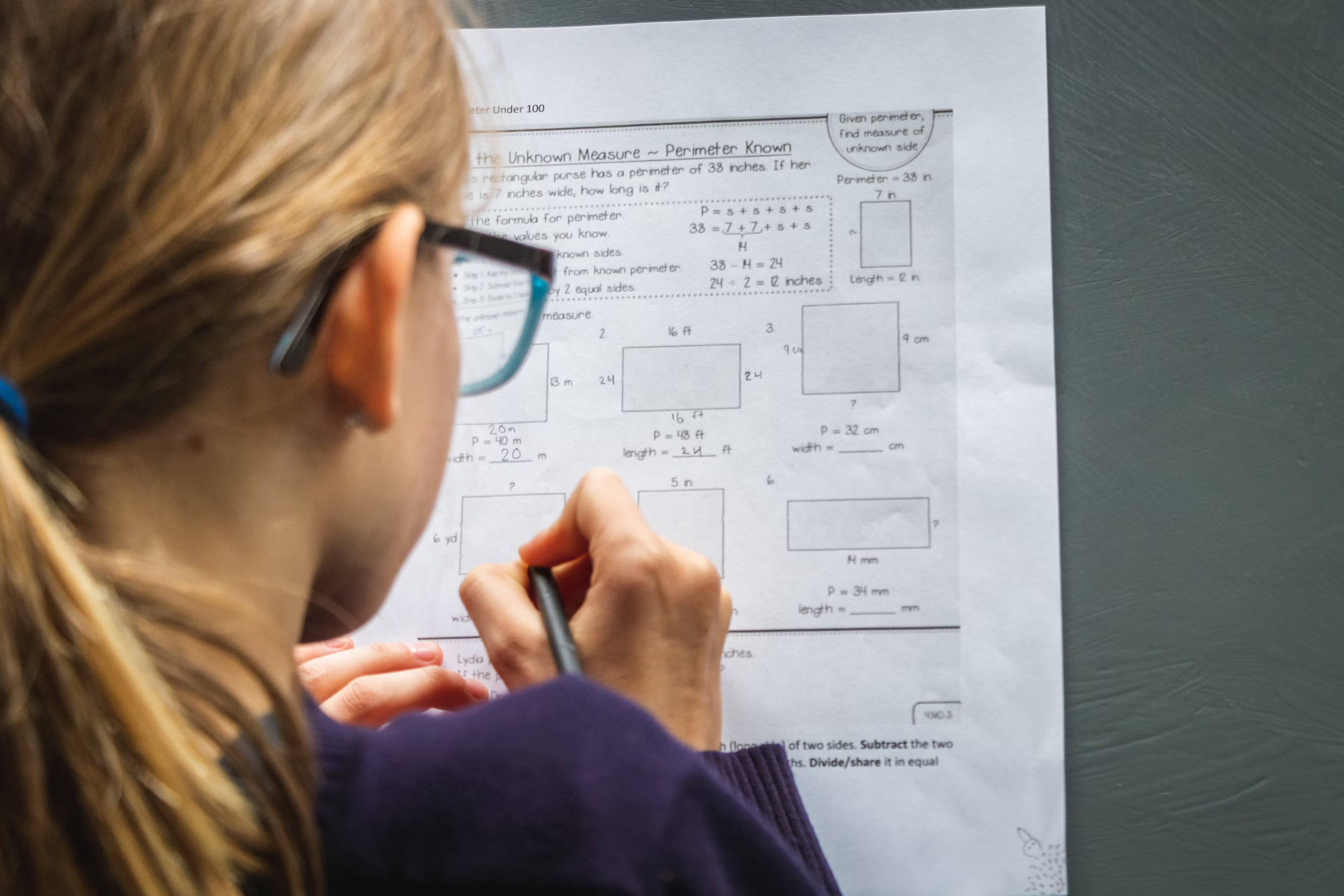

The COVID-19 pandemic left a deep scar on education systems around the world. School closures, inconsistent remote learning, and reduced classroom time have led to what experts now call "pandemic learning loss"—and the effects are still being felt. But there's a proven solution we're not using enough: high-dosage tutoring.
What the Research Tells Us
According to University of Toronto economics professor Philip Oreopoulos, tutoring isn't just helpful—it's transformative when done right. In a meta-analysis he and his colleagues conducted, they reviewed 129 tutoring programs and found that 112 of them significantly boosted student performance, equating to the learning gains of about half a year of schooling.
This isn't minor progress. It's a compelling case for tutoring as one of the most effective tools we have to recover from learning disruptions.
The Evidence at a Glance
129
Tutoring programs analyzed
112
Programs showed significant improvement
½ Year
Average learning gain
Expert Insight
"High-dosage tutoring is one of the most effective educational interventions we have seen, especially for helping students who have fallen behind."
— Philip Oreopoulos, University of Toronto
What Makes Tutoring Work?
Not all tutoring is created equal. The most effective programs in the study had several things in common:
Qualified Educators
Trained, paid educators were leading the sessions—not volunteers or peers. Professional tutors with subject expertise and teaching skills delivered consistently better results than casual or volunteer tutors.
Consistent Frequency
Sessions were frequent—multiple times per week. This regular cadence allowed for continuity of learning and relationship-building between tutors and students, creating a foundation for academic progress.
During School Hours
Tutoring happened during the school day, when students were most engaged and able to participate consistently. This integration into the regular school schedule ensured higher attendance and eliminated barriers to access.
This model, often referred to as "high-dosage tutoring," isn't just a quick fix. It delivers sustained, measurable academic improvements, especially in math and literacy.
The High-Dosage Model
- 3-5 sessions per week
- 30-60 minutes per session
- Small groups (1-4 students)
- Aligned with classroom curriculum
- Ongoing assessment and adaptation
The Result
Students in high-dosage tutoring programs typically gain 3-5 months of additional learning in just one semester.